The canton of Fribourg makes its mark at BIOKET 2026
Agri-food
18 March 2026
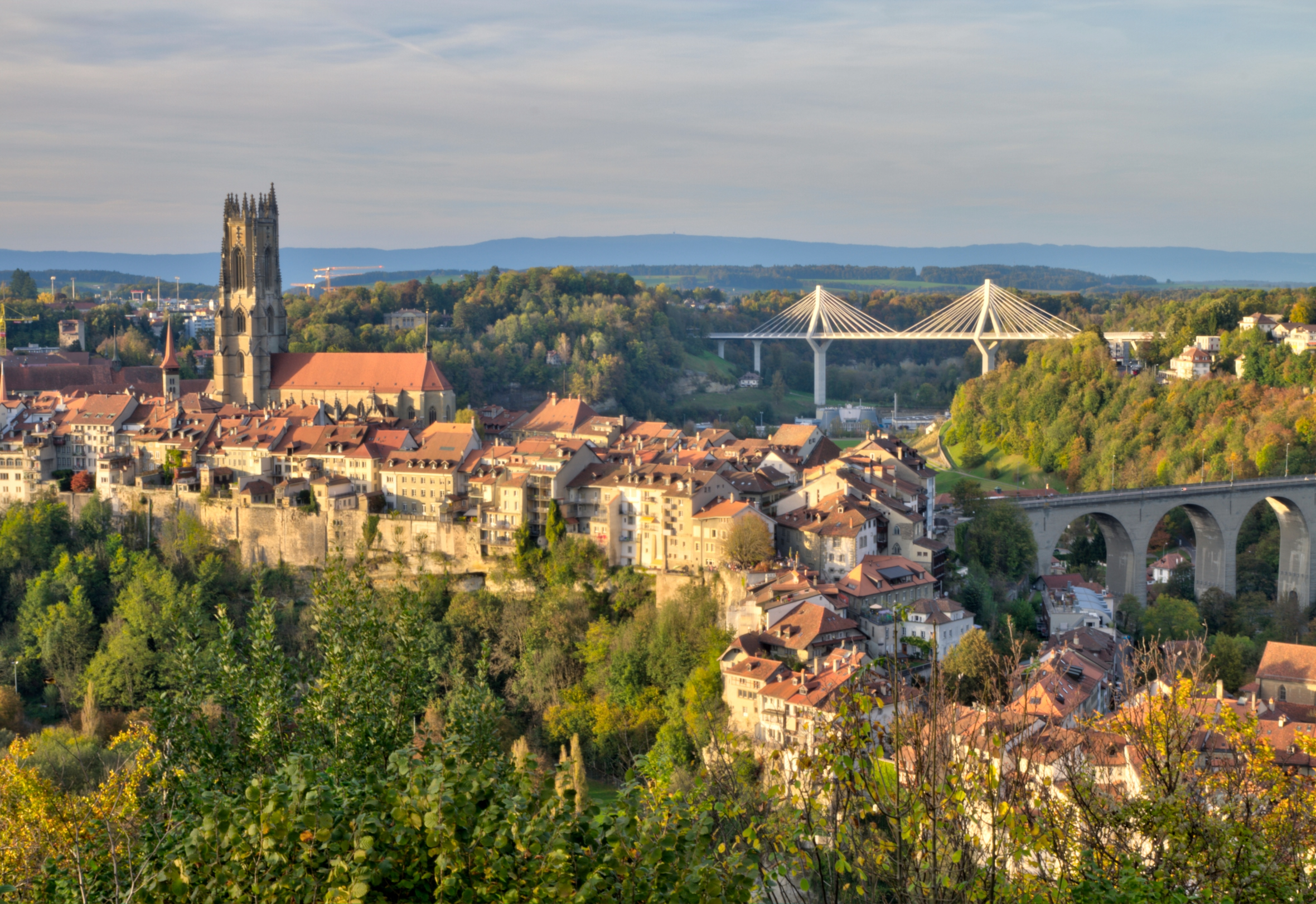 The city of Fribourg, home to one of Switzerland’s most dynamic bioeconomy ecosystems, hosted the 7th edition of the international BIOKET conference from 17-19 March 2026.
The canton of Fribourg hosted the international BIOKET conference for the first time in Switzerland from 17-19 March 2026, a milestone that reflects its growing standing as one of Europe’s most dynamic bioeconomy ecosystems.
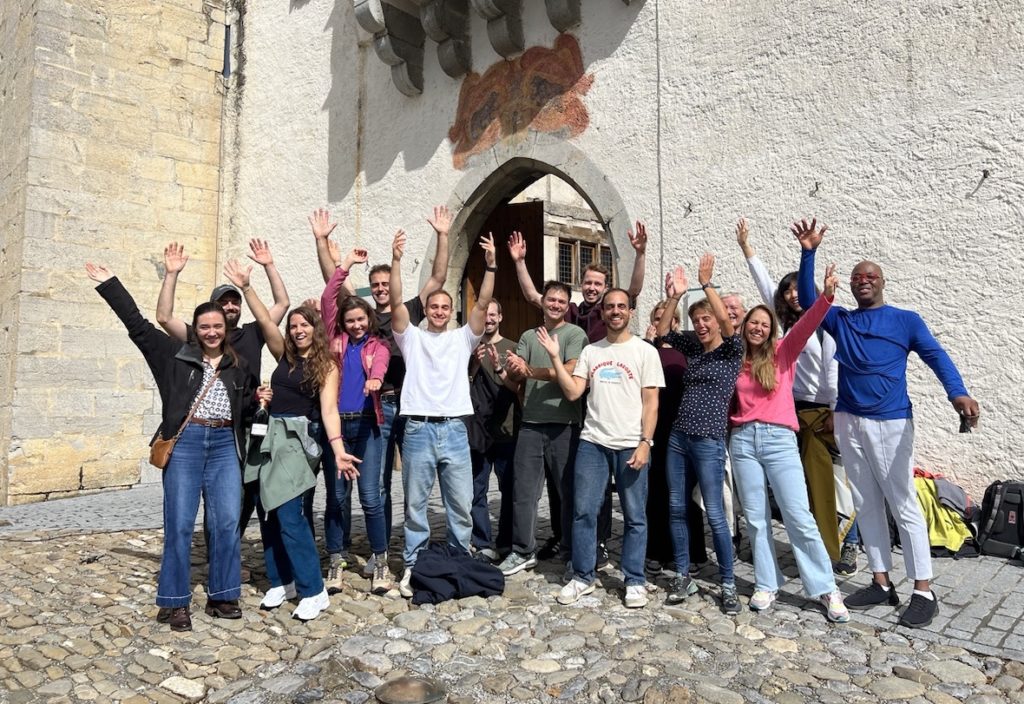
From 17-19 March 2026, Forum Fribourg welcomed the 7th edition of BIOKET (BIOeconomy Key Enabling Technologies) marking the conference’s first-ever edition in Switzerland. Launched in 2018 by the French cluster Bioeconomy for Change, BIOKET has become one of Europe’s flagship events for professionals working at the intersection of industrial biotechnology, biomass valorization, and sustainable manufacturing. Previous editions in Lille, Trois-Rivières, Reims, and Brussels drew record attendance, with the 2025 Brussels edition attracting over 600 participants and 150 speakers.
Fribourg’s selection as host is no coincidence. The canton has been an active presence at recent BIOKET editions, fielding engaged delegations and emerging as a recognized contributor to bioeconomy dialogue at the European level. The decision to bring the conference to Switzerland, and specifically to Fribourg, reflects the canton’s rising profile as a hub for bio-based innovation.
A bioeconomy powerhouse in the heart of Switzerland
Bioeconomy is not a peripheral sector in Fribourg, it is the backbone of the canton’s economy. Encompassing everything from agricultural production and agrifood transformation to high-value biotech molecules and sustainable materials, the sector accounts for approximately 30% of Fribourg’s GDP and 28% of its employment. Few cantons in Switzerland can claim such structural depth in a single strategic sector.
This foundation has been built over decades. Fribourg’s agrifood tradition, anchored by its internationally recognized “three Cs” of chocolate, cheese, and coffee, provides a robust industrial base that today supports a new generation of biotech innovation. Companies operating at the frontier of bio-based materials and circular economy principles are increasingly choosing Fribourg as their base, drawn by the density of applied research infrastructure, the availability of land, and the canton’s deliberate industrial strategy.
Infrastructure built for scale
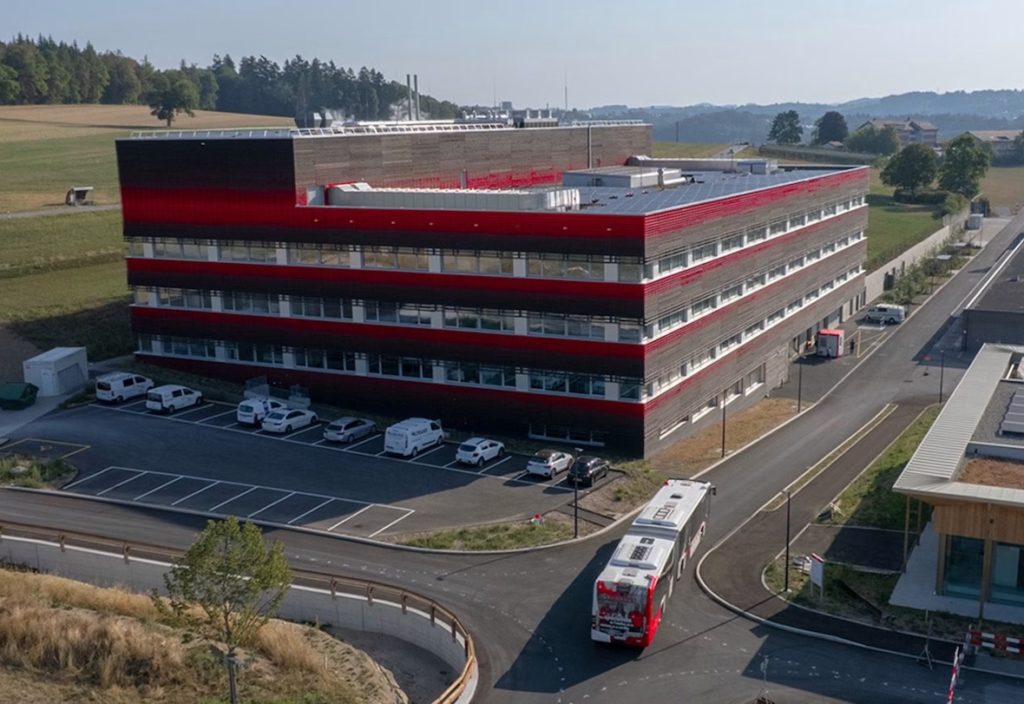
What distinguishes Fribourg is not just its sectoral depth but the breadth of infrastructure supporting the transition from lab to market. The AgriCo campus in St-Aubin, dedicated to agri-food, biomass, and biotechnological innovation, offers over 250,000 m² of constructible land alongside testing facilities for precision agriculture, insect-based systems, and algae cultivation, and served as a site visit destination during BIOKET itself. The bluefactory innovation district in Fribourg city focuses on life sciences and decarbonization, while the iPrint center at the Marly Innovation Center has built international recognition in inkjet technology and fine chemistry applications. The Le Vivier science park in Villaz-Saint-Pierre, dedicated to automation and robotics, rounds out an ecosystem that spans the full innovation cycle.
A new generation of bioeconomy start-ups
Fribourg’s infrastructure is attracting a generation of start-ups translating research into commercial reality. Seprify, an EPFL and University of Cambridge spin-off based at the Marly Innovation Center, recently raised CHF 12.25 million in Series A funding to scale its cellulose-based ingredient platform as a sustainable alternative to titanium dioxide, with applications spanning food, cosmetics, and industrial coatings. Bloom Biorenewables, another Fribourg-based company, is developing bio-based aromatic molecules from lignocellulosic biomass, targeting the fragrance and specialty chemicals markets.
Both companies exemplify the model Fribourg is building: deep science, applied at scale, supported by proximity to industrial partners, research institutions, and a canton that has made bioeconomy a formal pillar of its economic strategy.
Fribourg’s bioeconomy credentials did not emerge overnight. The canton’s rise as a bioeconomy hub reflects decades of deliberate industrial transformation, from Liebherr’s arrival in Bulle in the 1970s to the emergence of a new generation of bio-based start-ups today. What began as an agricultural and manufacturing economy has evolved into one of the most integrated bioeconomy ecosystems in Europe, where traditional strengths in food, materials, and chemistry now converge with cutting-edge biotechnology. With BIOKET now on Swiss soil for the first time, Fribourg has made the case that it belongs at the center of the continent’s bioeconomy conversation.
Discover all episodes of the Fribourg Growth Hub video series here.