FIT Impact grants awarded to four Vaud-based low-tech innovation projects
Tech
21 April 2026
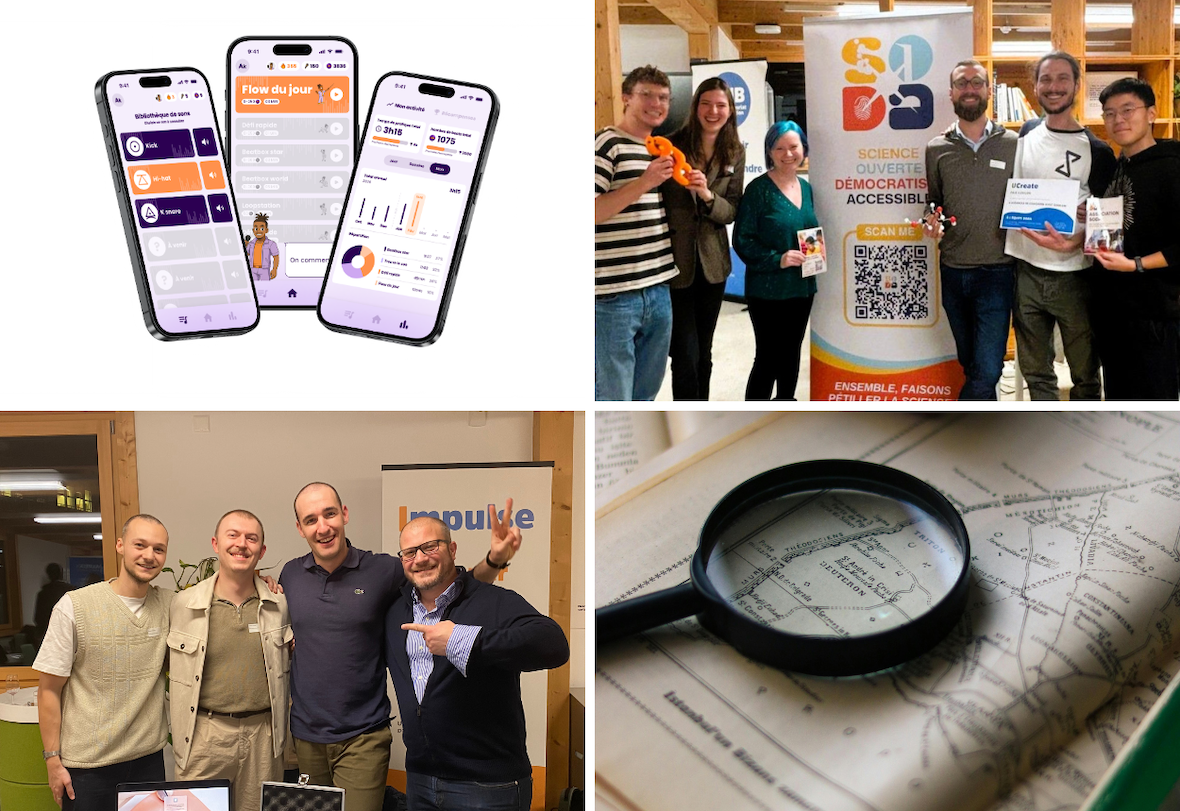 FineTouch Academy, Phonemia, SODA, and TYTOdb, four Vaud-based projects emerging from UNIL and H4, have each received a CHF 10,000 FIT Impact grant to advance their development. | © FIT
Four early-stage projects from the canton of Vaud have each received a CHF 10,000 FIT Impact grant, supporting low-tech, high-impact innovations in medical education, speech therapy, science outreach, and biodiversity monitoring.
The Foundation for Innovation and Technology (FIT) has awarded CHF 10,000 Impact grants to four early-stage projects emerging from the University of Lausanne and the H4 health innovation hub, each addressing a distinct societal challenge through accessible, practical technology.
FineTouch Academy, developed through UNIL’s UCreate program, targets a persistent gap in medical training: suturing skills are frequently underdeveloped among junior doctors. The project combines structured e-learning, ready-to-use suture kits, including artificial skin, tools, thread, and sharps disposal, and personalized remote feedback, enabling regular, accessible practice. The FIT grant will support the transition from minimum viable product to a field-validated solution.
Phonemia addresses the shortage of speech therapists in Switzerland, where waiting times for logopedic care reach 12 to 18 months. The project introduces human beatboxing as a therapeutic tool, leveraging its phonetic, rhythmic, and motor complexity to engage the full speech production system in a playful, evidence-based approach. Supported by H4, the grant will fund protocol development, content production, and beta-tester community building.
SODA, another UCreate project, brings STEM science workshops directly to young people in Vaud neighborhood centers, groups that face social, economic, or physical barriers to accessing museums or universities. Sessions are co-designed with participants around themes of health, environment, and technology. The FIT funding will support financial viability testing and scalability development.
TYTOdb tackles a fragmentation problem in biodiversity research: existing tools force field naturalists to choose between flexibility and ease of use. TYTOdb offers predefined but adaptable data collection workflows, offline functionality, and an intuitive interface designed for researchers in the field. The grant will fund the finalization of its technical development.