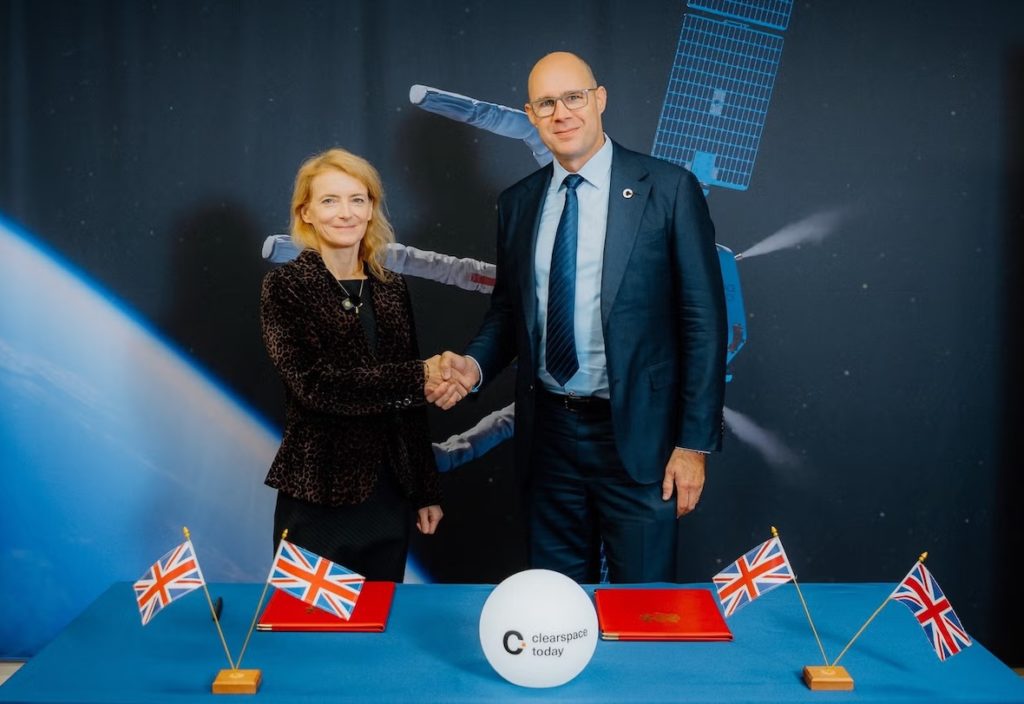
Hydromea wins USD 1 million grant through AUKUS Maritime Innovation Challenge
Tech
24 June 2026
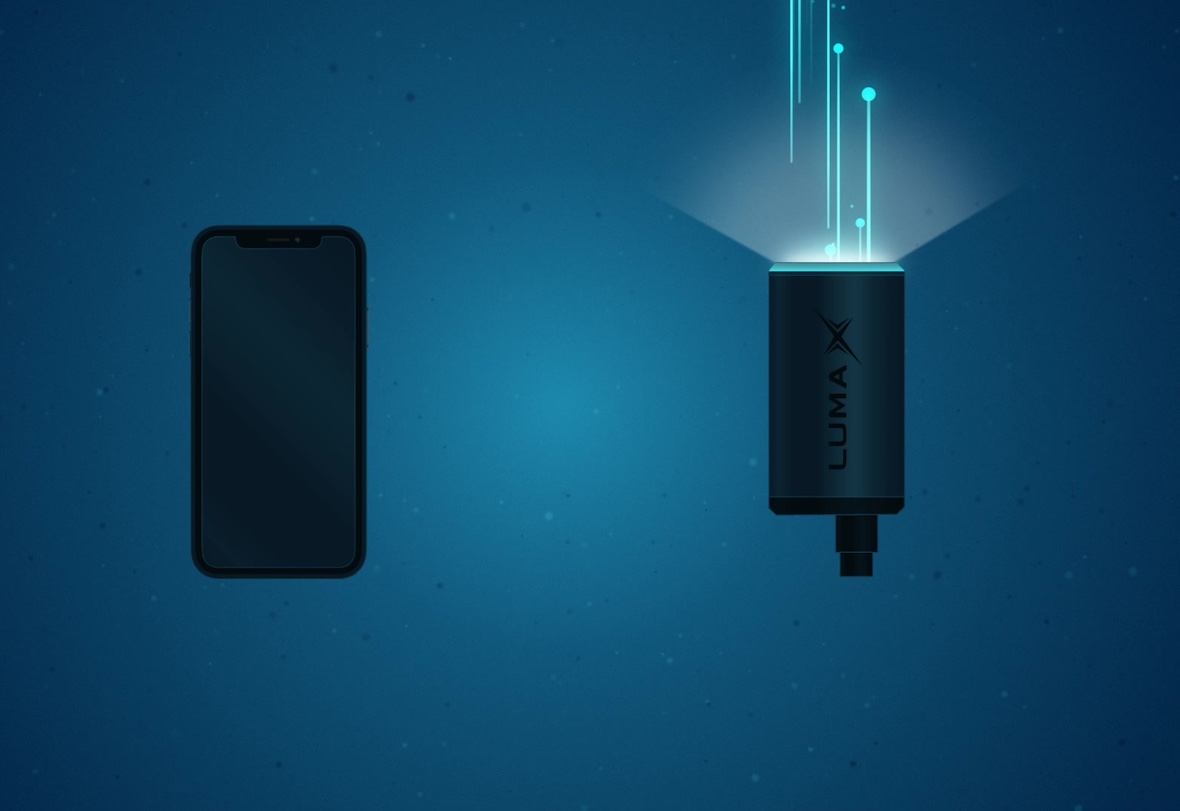 Hydromea’s LUMA optical modem enables high-speed wireless data transmission underwater. | © Hydromea
Hydromea, the Renens-based pioneer in subsea optical communication, has won a USD 1 million award through the AUKUS Maritime Innovation Challenge, together with Florida Atlantic University, to develop a next-generation underwater communication and networking system.
Hydromea, a Renens-based company and EPFL spin-off specializing in subsea free-space optical communication, has won a USD 1 million award together with Florida Atlantic University (FAU) through the AUKUS Maritime Innovation Challenge. The joint team will develop a next-generation underwater communication and networking system capable of operating in contested and congested environments.
The AUKUS Maritime Innovation Challenge is a trilateral initiative backed by the defense innovation units of the United States, Australia and the United Kingdom. The FAU-Hydromea project was selected from a competitive international pool of proposals from universities, research institutions and industry across the three countries.
The joint platform combines two complementary technologies: long-range acoustic links for wide-area communication and Hydromea’s high-speed LUMA optical modems for rapid, high-bandwidth data transfer. This hybrid approach addresses a long-standing trade-off in underwater operations between range and throughput. Hydromea’s LUMA platform transmits at up to 10 Mbps, is pressure-certified to 12,000 meters depth, and offers roughly 1,000 times greater speed and 1,500 times greater energy efficiency than acoustic alternatives.
Testing will move from laboratory environments in Switzerland and Florida to field demonstrations off the coast of Australia, involving autonomous surface vessels, underwater vehicles and seabed systems, with delivery expected in under a year. Beyond defense applications, the same architecture extends to offshore energy monitoring, environmental science and networked autonomous vehicles, opening a new category of subsea wireless broadband infrastructure.