Bracco, Limula and the University of Fribourg join forces to lower the cost of cell therapies
Life sciences
3 March 2026
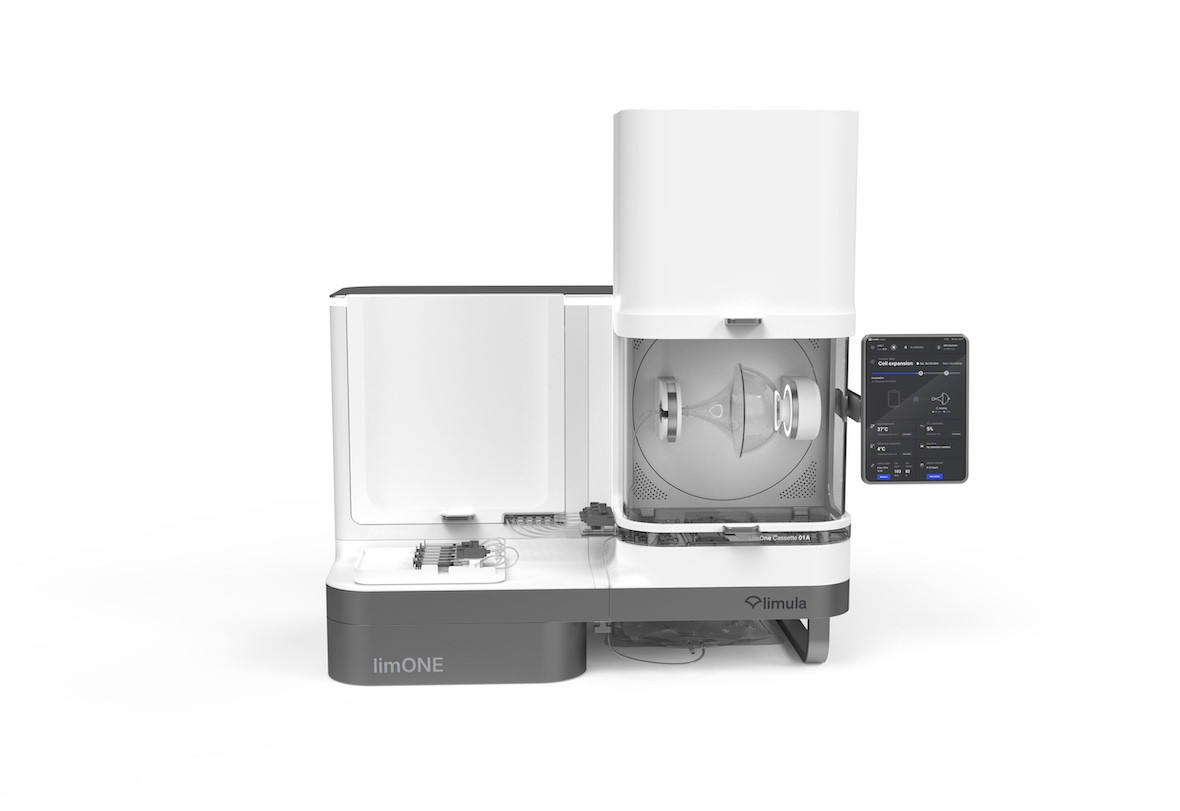 Limula’s automated cell therapy platform, developed in Lausanne, is at the center of a new public-private partnership targeting the scalable production of CAR-T cell treatments. | © Limula
Bracco Imaging, Limula, and the University of Fribourg have launched an Innosuisse-funded research partnership to automate and reduce the cost of CAR-T cell therapy production.
Pharmaceutical imaging company Bracco, cell therapy automation specialist Limula, and Professor Nicola Vannini of the University of Fribourg, have joined forces to develop a more accessible and scalable production method for CAR-T cell therapies. The two-year project is supported by Innosuisse, the Swiss innovation promotion agency, with a grant of CHF 688,000.
CAR-T cell therapies, which use genetically modified immune cells to target cancer, have demonstrated remarkable results in the treatment of leukaemia and other blood cancers, with several treatments already approved in the United States and Europe. Despite their clinical potential, these therapies remain largely inaccessible: their production relies on numerous manual steps, making the process slow, complex, and costly, with a single dose reaching several hundred thousand Swiss francs.
The partnership addresses this bottleneck through a combination of complementary technologies. Bracco, whose Geneva research center specializes in medical contrast agents, has adapted its lipid microbubble technology, ordinarily used in ultrasound imaging, to isolate target cells without damaging them by altering their buoyancy in liquid. Limula, based in Lausanne, contributes its fully automated cell manufacturing platform, which eliminates manual handling steps that can compromise process integrity. Professor Vannini brings expertise in T-cell metabolism and will assess how the new approach affects cell health and therapeutic efficacy.
The collaboration spans three cantons and bridges academic research with industrial application, reflecting the region’s capacity to assemble cross-disciplinary consortia around high-value biomedical challenges. The global market for cell and gene therapies is projected to exceed USD 100 billion by 2034.