
Fribourg researchers identify breast cancer dormancy mechanism
Life sciences
11 February 2026
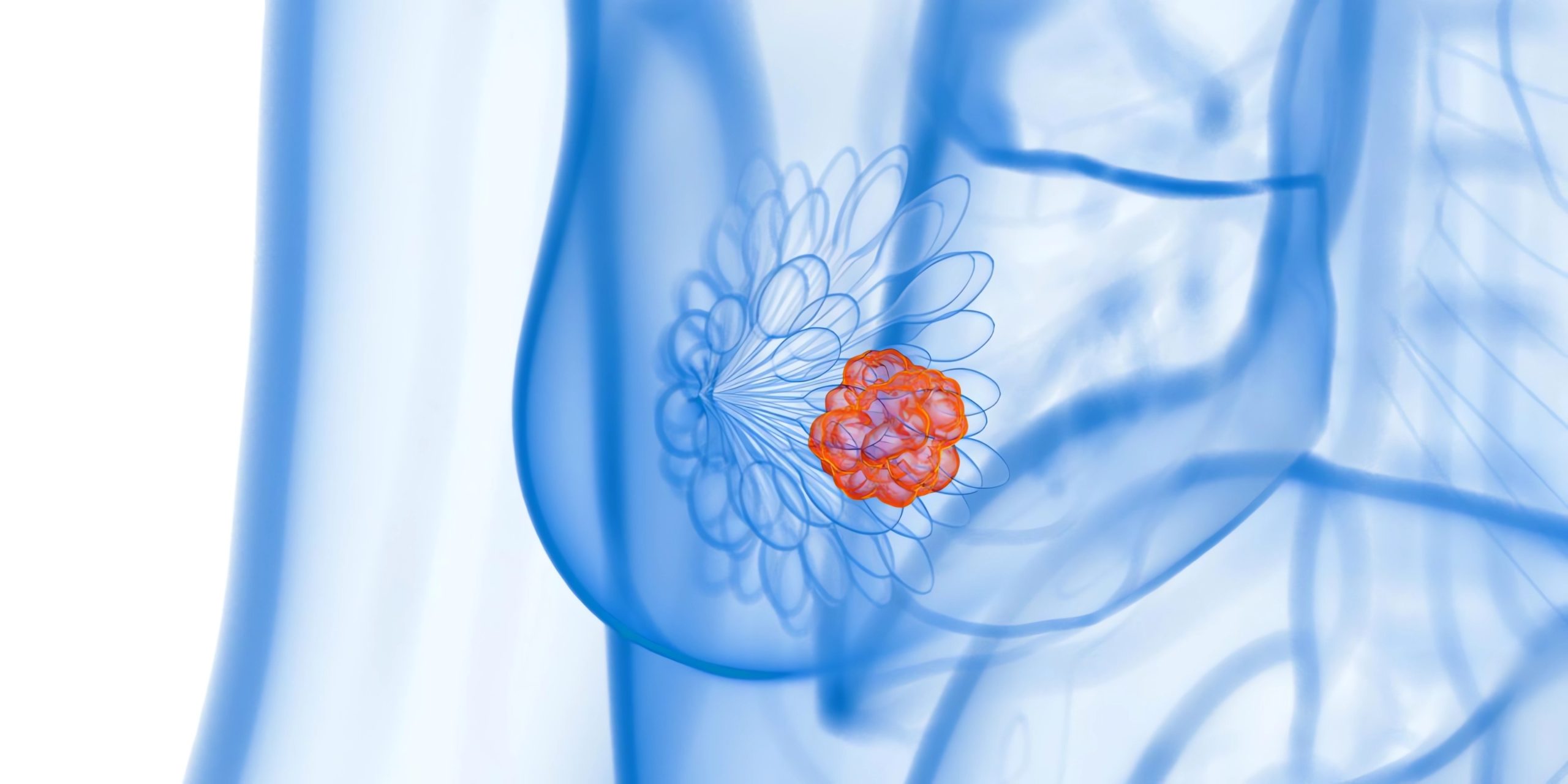 Researchers at the University of Fribourg identified a CXCL10-related immune mechanism that helps maintain triple-negative breast cancer cells in a dormant state. | © University of Fribourg
Scientists at the University of Fribourg have identified a molecular mechanism that keeps certain breast cancer cells dormant by stimulating the immune response, opening new therapeutic perspectives.
Researchers at the University of Fribourg have identified a molecular mechanism that helps maintain disseminated cancer cells in a dormant state by activating the immune system. The findings, published in the journal NPJ Breast Cancer, could contribute to improved management of patients with aggressive forms of breast cancer.
While early detection and modern therapies have significantly improved survival rates for breast cancer patients, some cases still lead to metastases that remain difficult to treat. Cancer cells that detach from the primary tumor can spread to other organs, where they either form metastases or remain dormant for years before reactivating. Understanding how this dormancy is regulated is considered critical for developing new therapeutic strategies.
The research team, led by Professor Curzio Rüegg, identified the chemokine CXCL10 as a key factor in maintaining dormancy in triple-negative breast cancer cells, a particularly aggressive subtype. Through experiments in murine models, the scientists observed that CXCL10 recruits immune cells to the tumor site, helping to suppress tumor growth. When CXCL10 or its receptor CXCR3 was blocked, immune cells failed to reach the tumor, allowing cancer cells to resume proliferation and spread.
The researchers also identified a “dormancy signature” linked to CXCL10 that can be detected in patient tumors. According to the study, patients exhibiting this signature showed, on average, a more favorable prognosis.
The discovery highlights the central role of immune signaling in controlling cancer progression and suggests that targeting the CXCL10/CXCR3 pathway could represent a promising approach for managing triple-negative breast cancer.