AlveoliX contributes to first lung-on-chip model using genetically identical human cells
Life sciences
19 January 2026
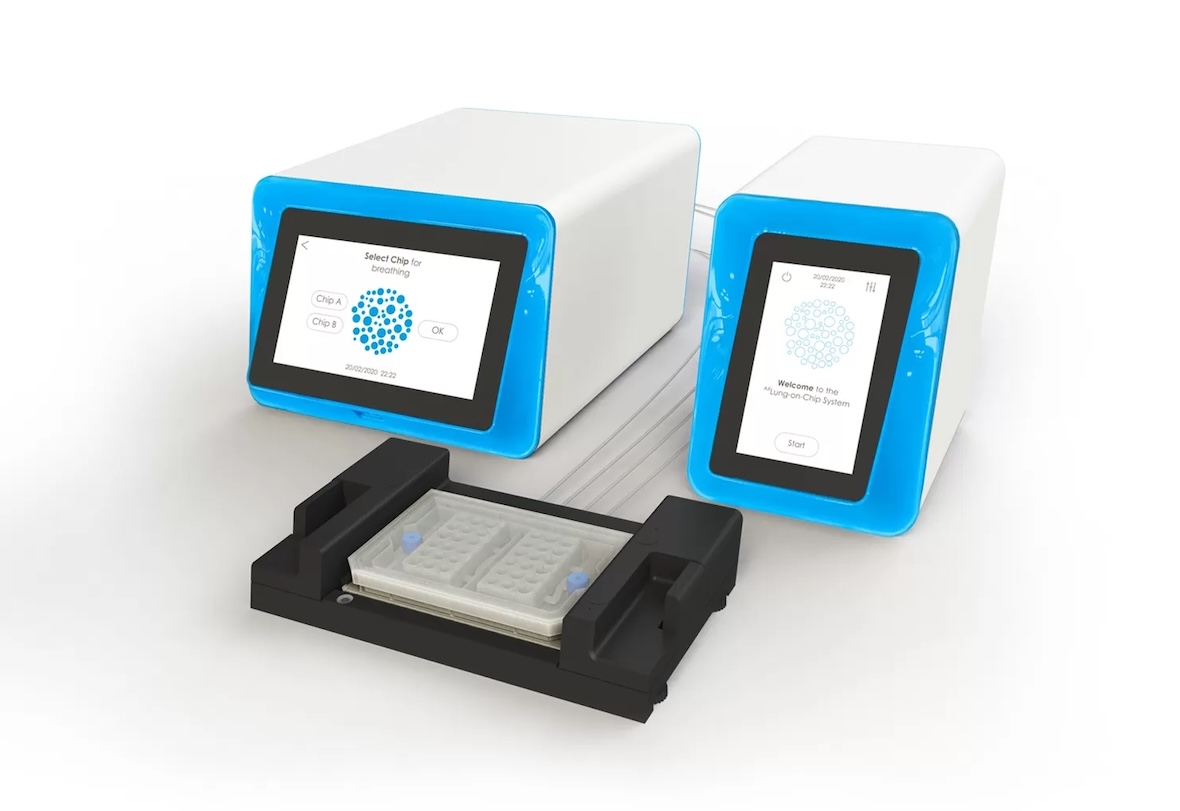 The lung-on-chip platform developed by AlveoliX recreates human alveolar function and breathing motions to study respiratory infections using human-relevant models. | © AlveoliX
Researchers from the Francis Crick Institute and Bern-based AlveoliX have developed the first human lung-on-chip model built entirely from genetically identical cells, opening new perspectives for personalised respiratory disease research.
Bern-based AlveoliX has contributed to the development of the world’s first human lung-on-chip model built exclusively from genetically identical cells. The breakthrough was achieved in collaboration with researchers at the Francis Crick Institute and has been published in the scientific journal Science Advances.
The new lung-on-chip model recreates human alveoli, the tiny air sacs responsible for gas exchange and a key barrier against respiratory infections such as tuberculosis. Unlike previous organ-on-chip systems, which typically combine patient-derived and commercially sourced cells, the new approach relies entirely on cells derived from induced pluripotent stem cells from a single donor. This allows the model to more accurately reflect individual lung function and disease progression.
Advancing personalized and non-animal respiratory research
Using a protocol developed by the research team, alveolar epithelial cells and vascular endothelial cells were generated from stem cells and cultured on opposite sides of a thin membrane inside a lung-on-chip device manufactured by AlveoliX. The system is subjected to rhythmic three-dimensional stretching forces that simulate breathing motions, promoting the formation of microvilli and closely replicating the physical environment of human lungs.
To study infection dynamics, immune cells derived from the same donor were added to the chip before introducing tuberculosis bacteria. The model reproduced key features of early-stage infection, including immune cell clustering and progressive breakdown of the air sac barrier.
The study highlights the growing role of organ-on-chip technologies in reducing reliance on animal models and enabling more predictive, human-relevant research. By using genetically identical cells, the platform opens new possibilities for personalized medicine, allowing researchers to investigate how specific genetic backgrounds influence disease progression and treatment response.