Planetary raises CHF 22 million to scale fermentation technology globally
Agri-food
21 April 2026
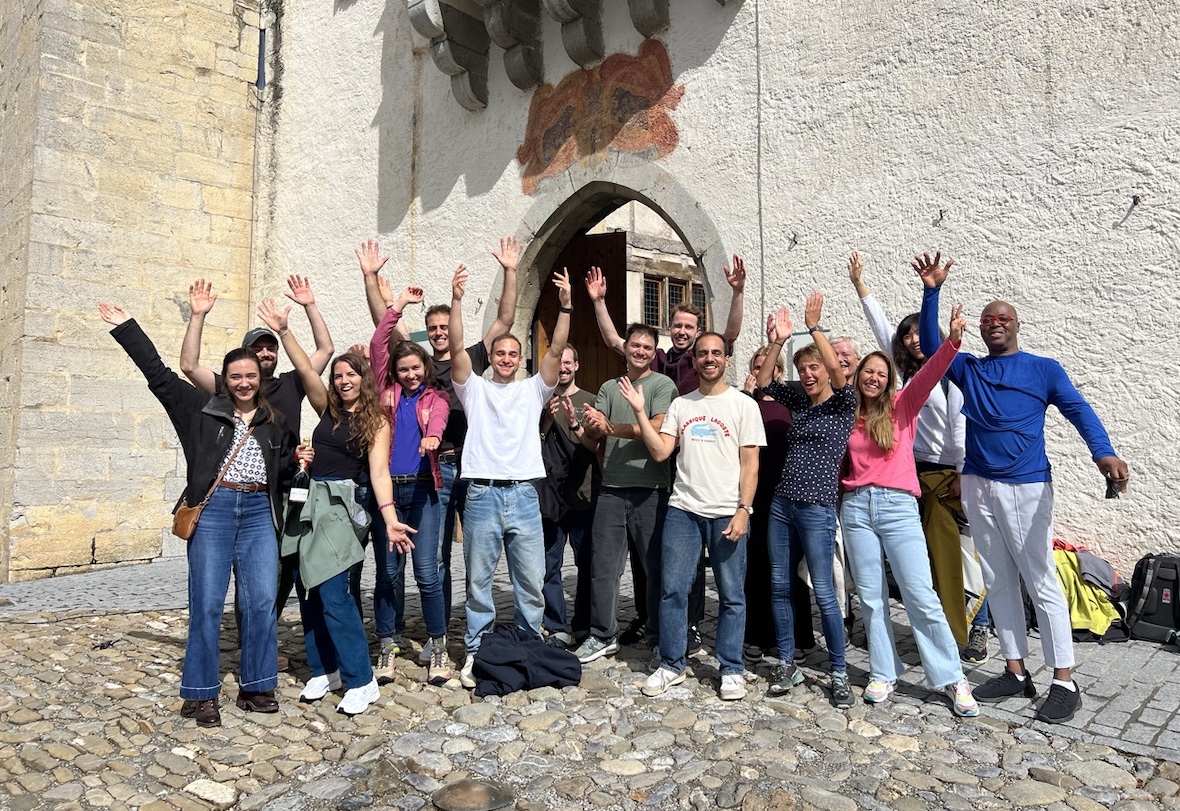 The Planetary team, developing a full-stack fermentation platform to convert agricultural side streams into high-value proteins, fibers, and enzymes at industrial scale from its base in Geneva and production facility in Aarberg, in the canton of Berne. | © Planetary
Geneva-based fermentation company Planetary has closed a CHF 16 million Series A equity round supplemented by CHF 6 million in credit, bringing total funding raised to approximately CHF 32 million, to expand its global technology licensing platform and consumer product rollout.
Geneva-based Planetary SA has closed a CHF 16 million Series A equity financing round supplemented by CHF 6 million in credit, bringing total funding to approximately CHF 32 million. The round was led by Radikal Capital and Oetker Ventures, with participation from Royal Cosun, which previously invested CHF 3 million in the company in January 2025, alongside arc investors, Green Generation Fund, AgriFoodTech Venture Alliance, and existing investors Astanor Ventures and XAnge. A second closing is planned for later this summer.
Planetary operates a full-stack fermentation platform spanning bioprocess design, scale-up, and industrial manufacturing through its WIPO GREEN-listed BioBlocks system. Its core commercial strategy centers on licensing this technology globally to agro-industrial players, particularly sugar companies, enabling the conversion of low-value agricultural side streams into high-value proteins, fibers, and enzymes. A key initiative targets ultra-low-cost mycoprotein production below USD 1 per kilogram through partnerships in sucrose-rich, protein-deficient geographies including India.
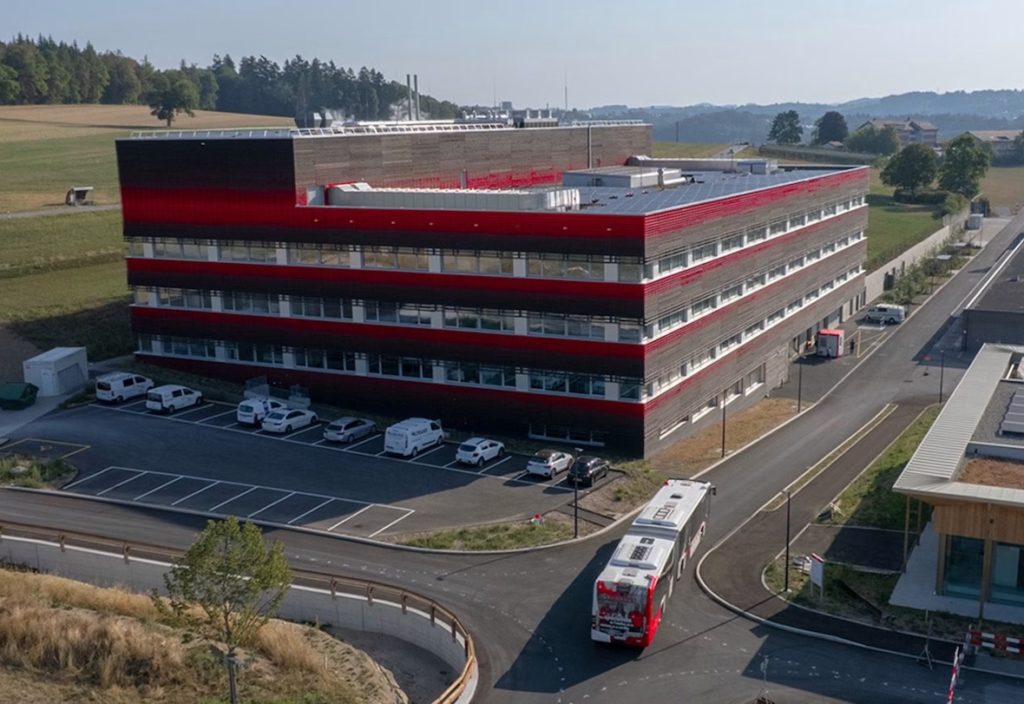
On the consumer side, the company continues to build on the national rollout of its MyVay Gourmet Filet, a mycoprotein-based vegetarian chicken filet launched across all 242 Aldi Switzerland stores in July 2025 at price parity with conventional chicken. Under its B2B brand Libre Foods, Planetary is now expanding across Europe into alternative meat and dairy, meat hybrid products, fiber-rich products, and protein fortification applications. Industrial-scale production is already operational at its Aarberg facility in the canton of Bern, the only commercial mycoprotein site in continental Europe.