Inverto Earth secures USD 2.4 million to restore coastlines
Tech
16 November 2026
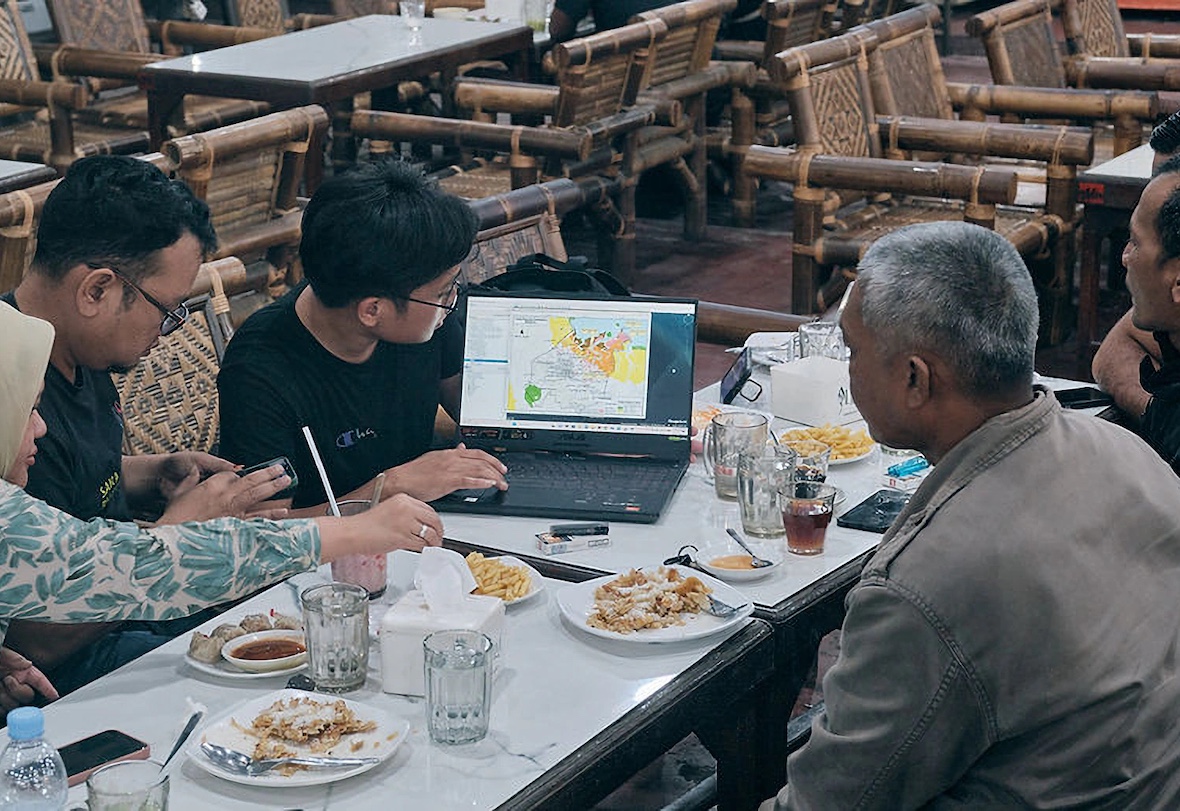 Inverto Earth uses data and engineering to plan, plant and monitor the restoration of coastal ecosystems such as mangroves. | © Inverto Earth
Bern-based start-up Inverto Earth has secured USD 2.4 million in equity and public innovation funding, led by the Bloom Foundation, to turn its services into a restoration intelligence platform for coastal ecosystems.
Inverto Earth has secured USD 2.4 million in equity and public innovation funding. The Bloom Foundation led the round, with Zürcher Kantonalbank, Venture Kick, Kickfund, Techstars, the Valery Foundation, SICTIC angels and Innosuisse also supporting the company.
The funding will help Inverto Earth turn its services into a restoration intelligence platform that supports projects from site selection to monitoring. The platform will be connected to field hardware, such as robotic planting systems and sensors.
Engineering certainty for coastal restoration
Founded in 2022 by Jürg Germann and Cameron Dowd, the start-up provides data-based tools to plan, plant and monitor the restoration of coastal ecosystems, including mangroves, salt marshes and seagrass meadows, at scale, and to verify the results. Its approach combines independent hydrological site assessments, Seed Darts, an advanced planting technology with a patent pending, and digital monitoring of growth and carbon. It works with local partners and communities, and with restoration organizations in Africa, the Middle East and Asia.
In the company’s press release, Jürg Germann, Co-Founder and CEO of Inverto Earth, stated that “restoration needs engineering certainty, not trial and error.” Ines Najorka of the Bloom Foundation added that “restoring coastal ecosystems is essential, but meaningful impact requires solutions that can be deployed at scale.”