UNIGE and HES-SO develop a micro-factory that stores data in DNA
Tech
11 November 2026
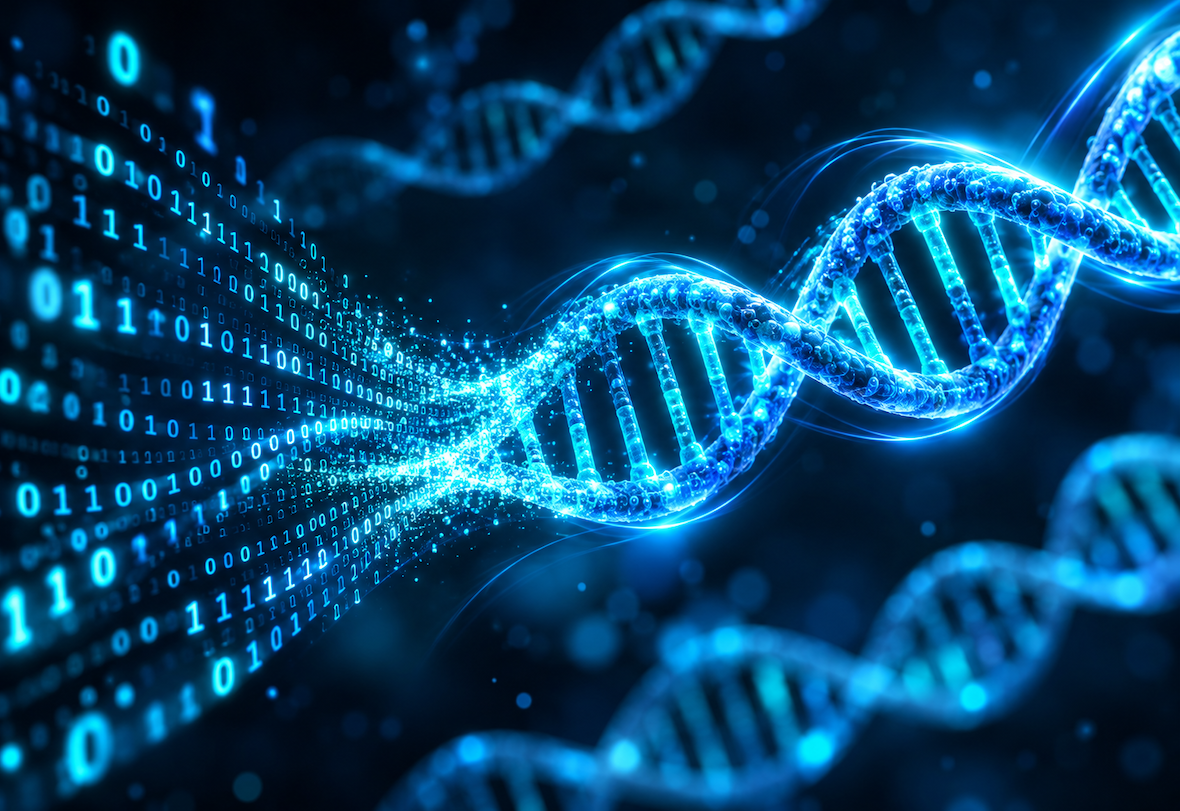 The DNAMIC micro-factory turns digital files into DNA strands sealed in stainless-steel capsules for long-term archiving.
The University of Geneva and HES-SO, through its HE-Arc engineering school, have developed with European partners a micro-factory that encodes digital data into DNA and seals it in stainless-steel capsules. It has been tested on a watchmaking heritage archive in Saint-Imier.
The University of Geneva (UNIGE) and HES-SO, represented by the engineering school HE-Arc, have developed a micro-factory that stores digital data as DNA. The machine is the result of DNAMIC, a European project launched in 2023 with partners from several countries and funded by Horizon Europe.
Digital files are converted from binary code into a four-letter code based on the DNA bases A, T, G and C, in line with DNA’s chemical constraints. The encoded file is then synthesized as a DNA strand, a process that can take several hours, using a synthesis machine from Austrian biotechnology company Kilobaser. The DNA is sealed in small stainless-steel capsules that protect it from oxygen, light, moisture and heat, and stored archives need no additional energy.
According to UNIGE, one gram of DNA could theoretically hold the equivalent of several thousand hard drives for thousands of years.
A watchmaking archive as a first test
The system was tested at the HE-Arc campus in Saint-Imier, in the canton of Bern, where it encoded a watchmaking heritage archive from the Centre jurassien d’archives et de recherches économiques (CEJARE). UNIGE developed the archiving tool used for the encoding, and HE-Arc worked on the machine’s technical architecture and cybersecurity. The system will also allow the archive to be read back in the future.
Next steps include automating sequencing, decoding and the internal management of archives. The team is seeking further funding to continue development and to establish the technology as a start-up. Given its current cost, use is likely to be limited, for now, to preserving valuable archives.